By Hans Smid
It is sad but true… Many Ducati 750 GT’s were dismantled, changed to fantasy racers or wannabe Sports. The more Sport and Super Sport replicas were made, the fewer GT’s survived. Not only were they used for parts, but for street legal documents as well. Such a shame. After all, Ducati’s late but successful entry in the first ‘superbike era’ (1968-1978) could not have been possible without the creation of this unique bike nor without the person responsible; Fabio Taglioni.
Above all, do not underestimate the importance of this new L-twin motorcycle for all new Ducati models to come until the present day. The 750 GT was the beginning of Ducati’s revival as a manufacturer of street bikes as well as on the Grand Prix circuits. Let’s have a closer look at what made the birth of Ducati’s first superbike extremely special both in historical and technical context.
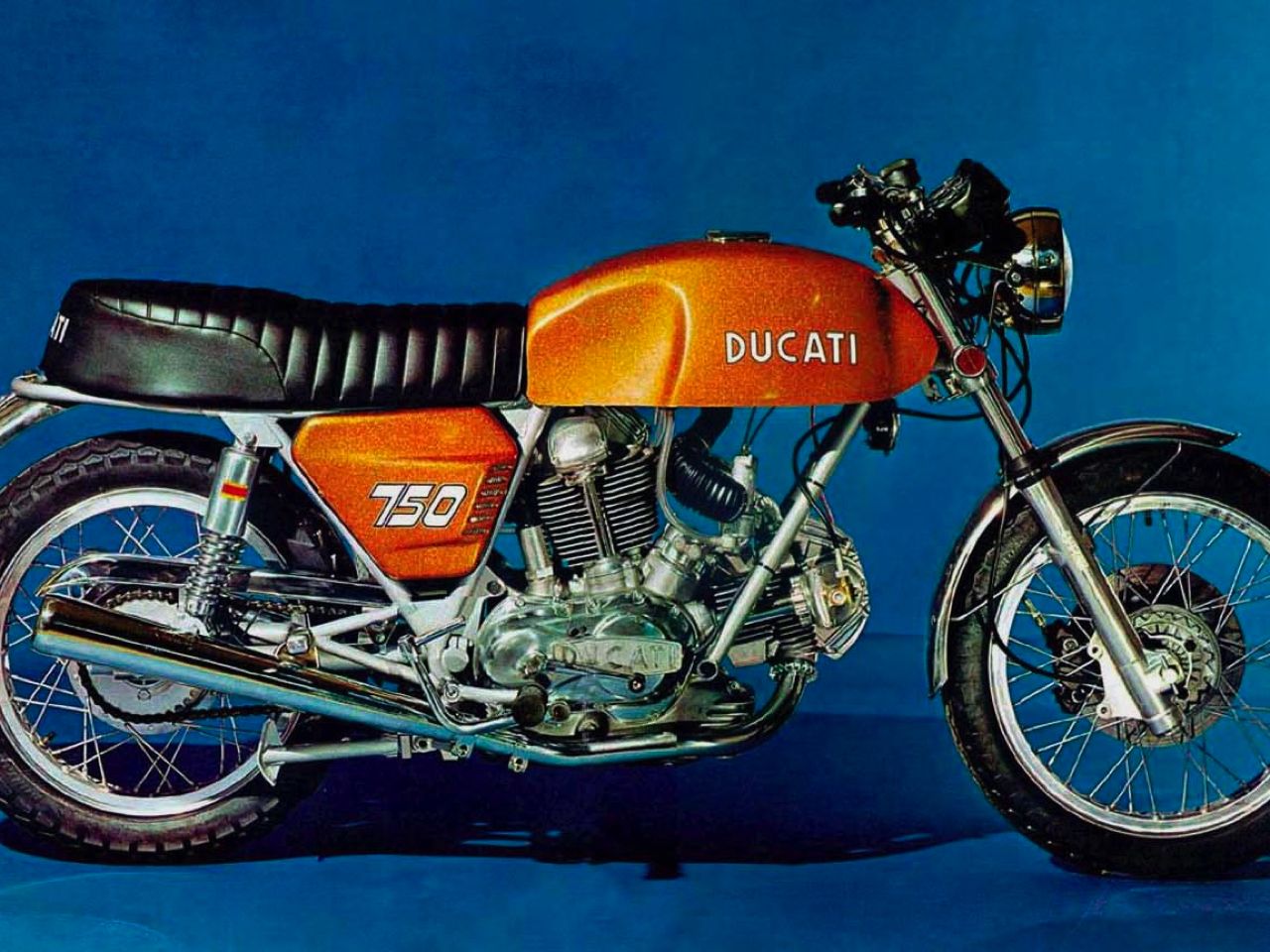
1968… THE DAWN OF A NEW ERA
‘ … and the times, they are a changing’ in the late sixties, as was predicted by Bob Dylan in 1964. Western society changed very fast indeed. Not only a liberating sexual revolution began to change traditional relations; young students and women started to claim their rights and votes, forcing society to hear their opinions and protests, sometimes brutally suppressed by the authorities.
After the legendary Woodstock festival in 1969 nothing would be the same again. Four American students were killed (and 9 wounded) by the National Guard on May 4th 1970 on the Kent State University campus, for protesting against Nixon’s decision to bomb Cambodia. Songwriters like Neil Young and Bob Dylan became popular with their protest songs that kept the students voices alive.
Not only the youth began to get a large influence on daily life. Growing prosperity had made the car affordable for the common man. The modern ‘maintenance free’ motorcycle for ‘nice’ people was introduced. Not as a necessary commuter bike, but as a ‘second car’, just for having fun and enjoying freedom.
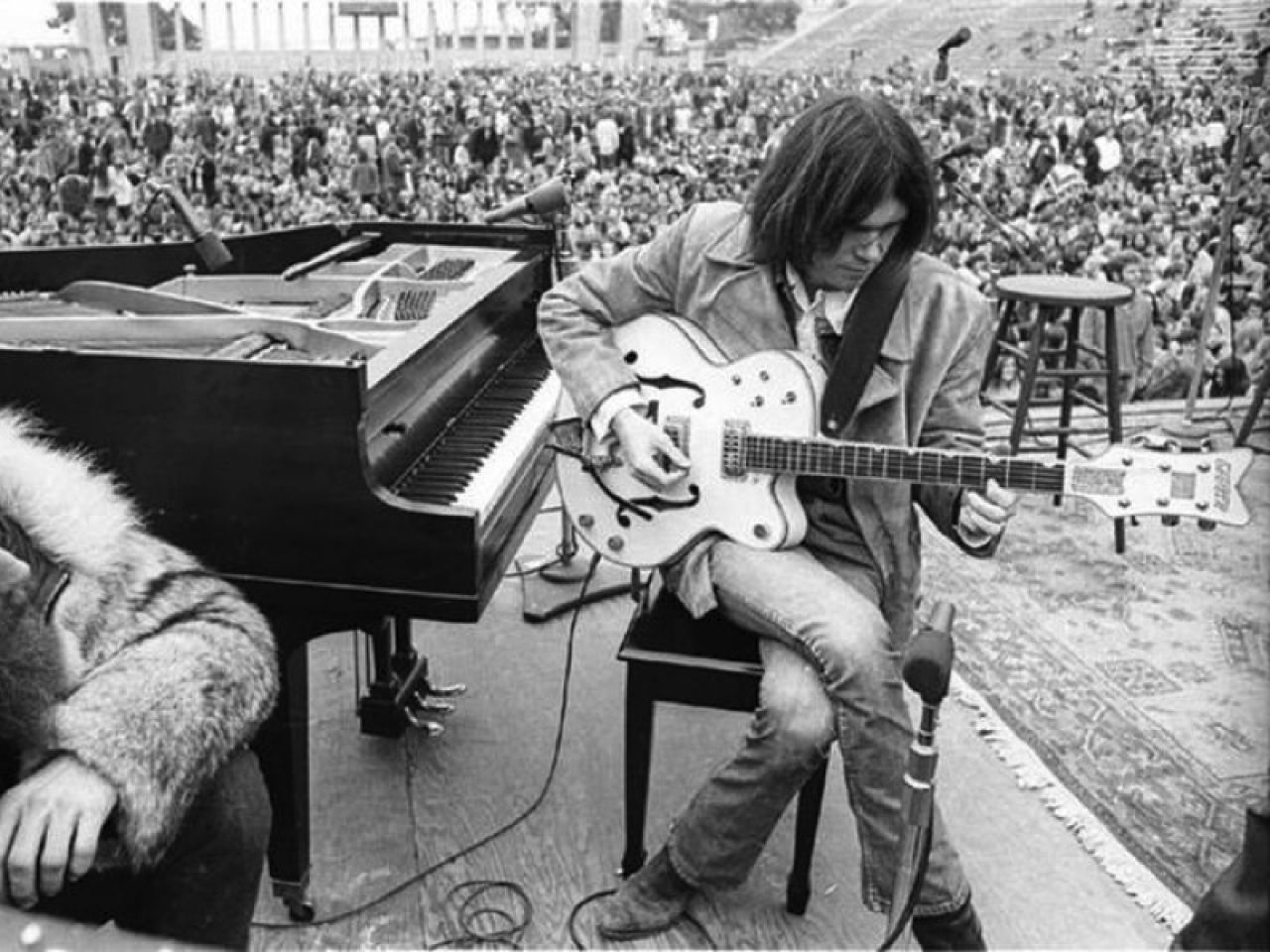
AND THE BIKES, THEY ‘WERE A CHANGING’ AS WELL…
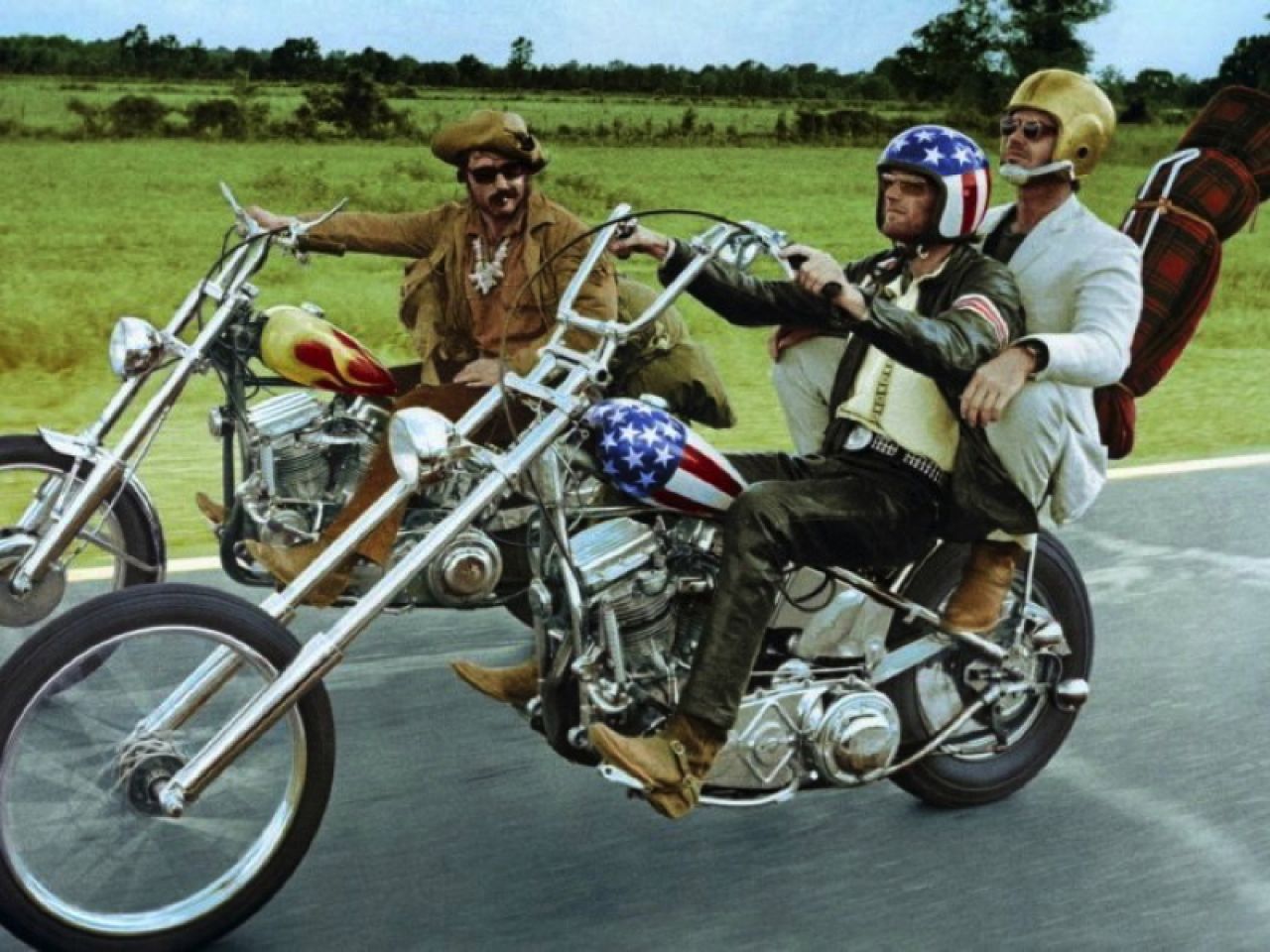
Talking about ‘iconic’… In 1969 Dennis Hopper and Peter Fonda starred in the film ‘Easy Rider’ that instantly became a milestone and a cult classic. Owning a large displacement motorbike became a symbol for freedom and perhaps of a somewhat rebellious nature.
Honda was meanwhile running a long and successful advertising campaign. The slogan ‘You meet the nicest people on a Honda’ (from the American agency ‘Grey Advertising’ ) was meant to create a new market for motorcycles by freeing it from its bad reputation as being for guys ‘too poor to buy a car’ as well as being an anti-social way of transport. This very expensive and long running campaign had already started in 1962 and had made Honda sales expand from 40.000 to 200.000 units a year!
All good things came together at the end of the sixties to give a boost to the international motorcycle industry. That is, the brands that survived the late fifties and sixties, the period wherein sales collapsed and European motorcycle industry was lacking innovation, investment and good ideas. Bob Dylan turned out to be a prophet after all… “You better start swimming or you sink like a stone…”
The story has been told many times before, though not to the benefit of the Japanese motorcycle industry. It were the Japanese (with Soichiro Honda as spearhead) that not only created a new market for a large capacity ‘superbike’, but also forced the European motorcycle industry to come with something completely new or …. close the gates and sell the inventory. Japanese bikes are still held responsible for the decline of the British motorcycle industry.
However, the contrary is true. Japanese engineers created a complete new international motorcycle market and we should thank them for the sales boost they gave to the motorcycle industry. Without them the Norton Commando and Triumph Bonneville wouldn’t have lasted as long as they actually did. Above all Japanese engineers gave an impulse to create better machines than the old parallel twin which was still the British standard in the seventies, invented in 1937 by Sir Edward Turner. Let’s take a closer look at the Italian motorcycle factories at the dawn of the new era for superbikes.
NEW ITALIAN CONCEPTS
In the second half of the sixties dark clouds appeared on the horizon for the modest Italian motorcycle industry. Compared with the Japanese ‘Big Four’ (Honda, Suzuki, Yamaha and Kawasaki) the production numbers were small and (worldwide) marketing and dealer networks had to be improved and expanded fast. Though Benelli and Ducati were already popular in the United States, they both lacked a large displacement motorcycle. Brands like Gilera, Laverda and even Ducati were begging for orders from the Italian government to survive. The ‘contest’ to develop a new big motorcycle for army and police (proclaimed by the Italian authorities) was a strong motivation to create new engine and motorcycle concepts. Even the traditional supplier Moto Guzzi could not be sure of new orders from the government anymore. Their 500 Falcone was hopelessly outdated.
Meanwhile the little ‘non-intimidating’ colourful Japanese bikes became bigger and bigger. But with displacements up to 350cc they were no threat to the leading (mainly British) European motorcycle industry. These small bikes were pretty good and ….. cheap! In 1965 Honda launched the advanced CB450 Black Bomber with racing technology as an omen of ‘bigger things to come’.
The new CB450 was superior to the ruling 650cc British twins in every aspect. Honda’s choice of a 450cc was very smart. After all, everything less than 500 cc would not be considered a commercial threat. Now Honda secretly started developing the real stunning surprise. On October 25th 1968 the powerful, fast and reliable Honda CB750 Four was launched at the Tokyo Motor Show. This was the beginning of a new era, although British bike enthusiasts like to give this honour to the Triumph 750 Trident. The ugly appearance shaped by the Ogle Design Studio with ‘ray gun’ silencers proved a wrong choice.
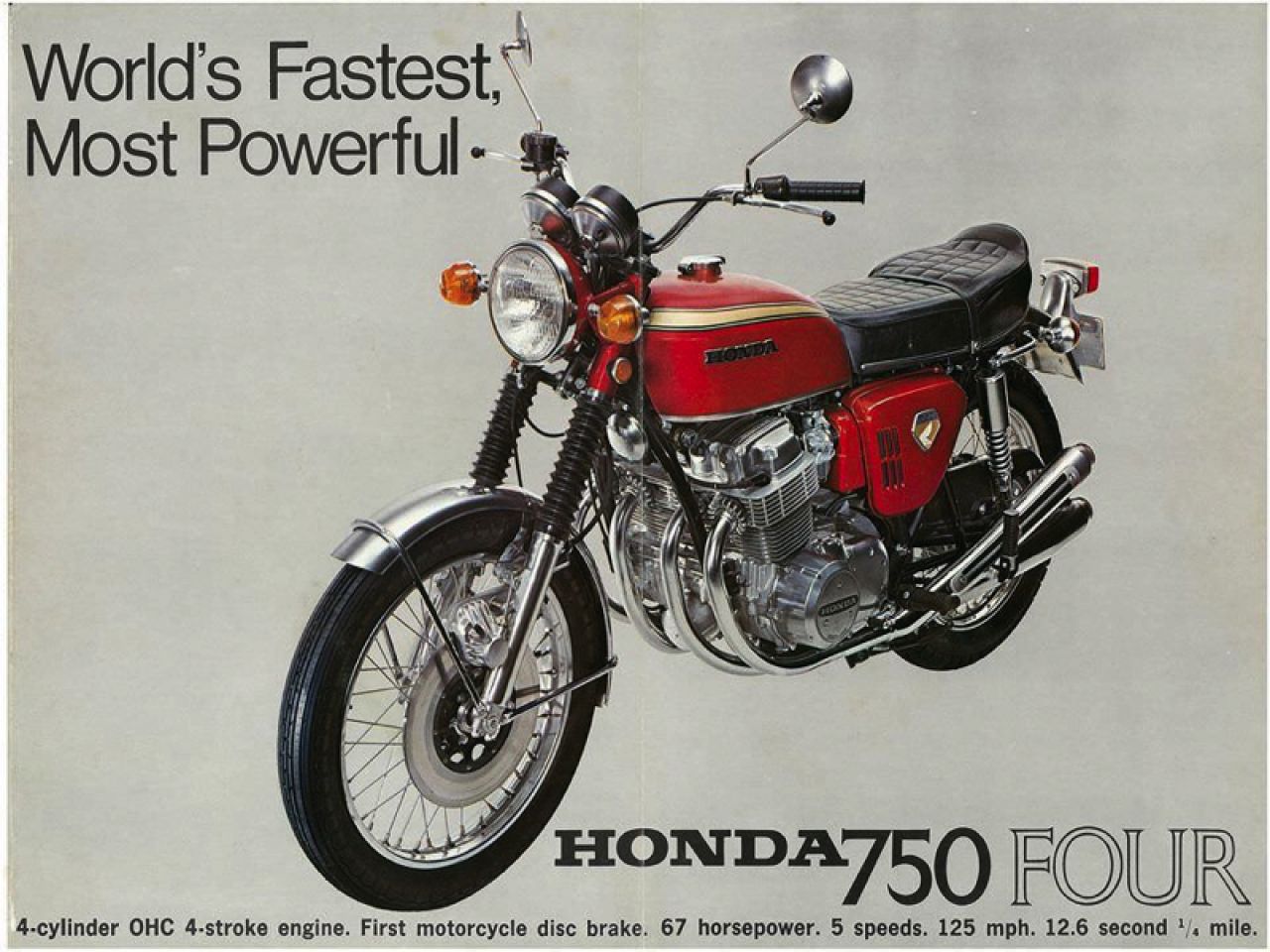
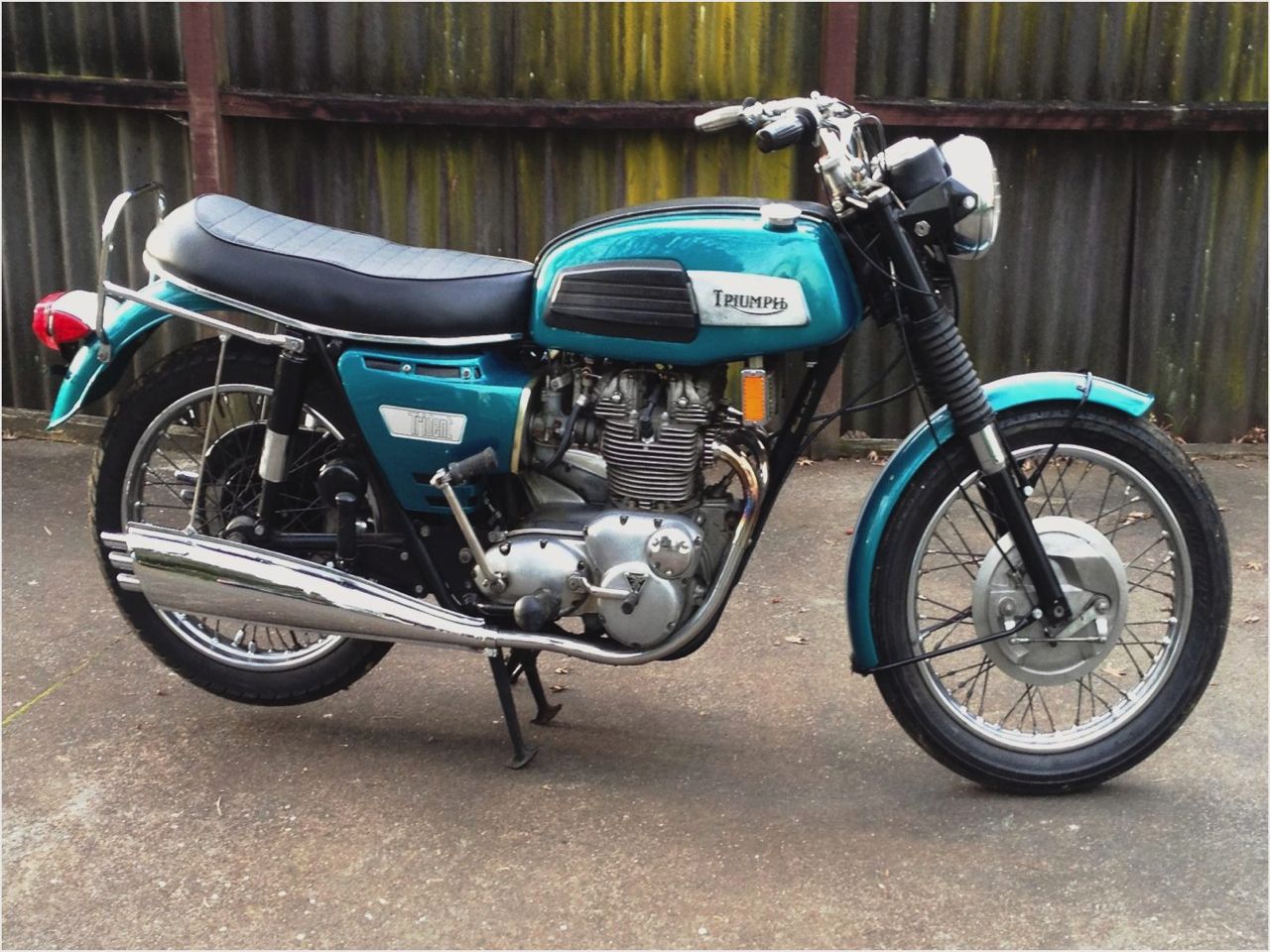
Ironically Triumph bought a new CB750 for testing purposes and it broke down on the test bench. The conclusion was, ‘Japanese engineers obviously were not able to produce large displacement bikes!’ The new Honda however turned out far more reliable and offered more comfort. With the Honda CB750 Four the first real superbike was born, forcing motorcycle industries in Europe to come up with something completely new.
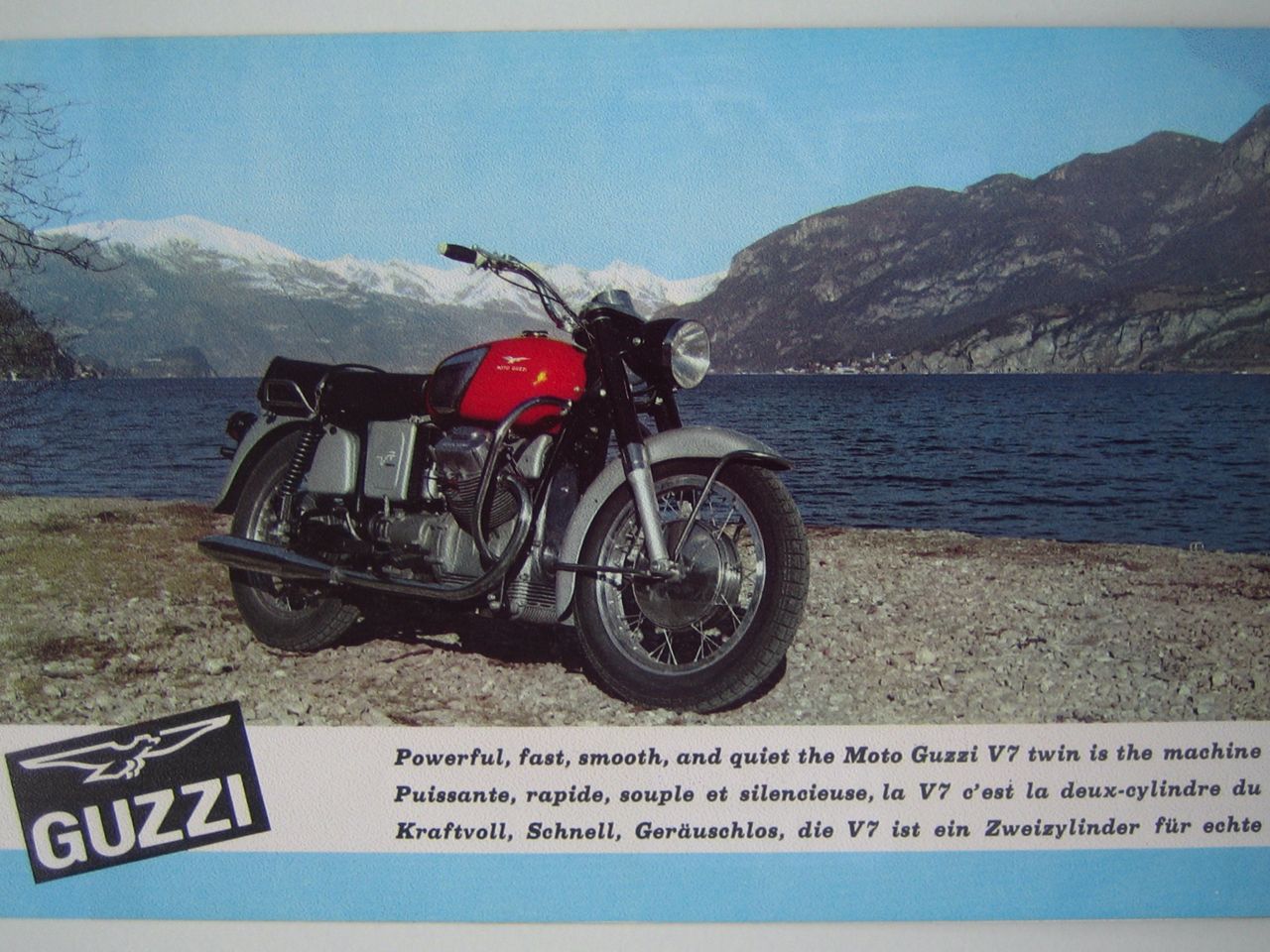
Moto Guzzi had already launched the very successful V7. MV Agusta only sold small 250 and 350 twins and count Domenico Agusta refused to produce a powerful four cylinder for the ‘common man’, though he could have done so. MV Agusta had already shown a very advanced and beautiful four cylinder superbike prototype in 1950; the 500 cc R19 Turismo, 16 years (!) later followed by the ugly 600 4C. Laverda had success with their 750 GT.
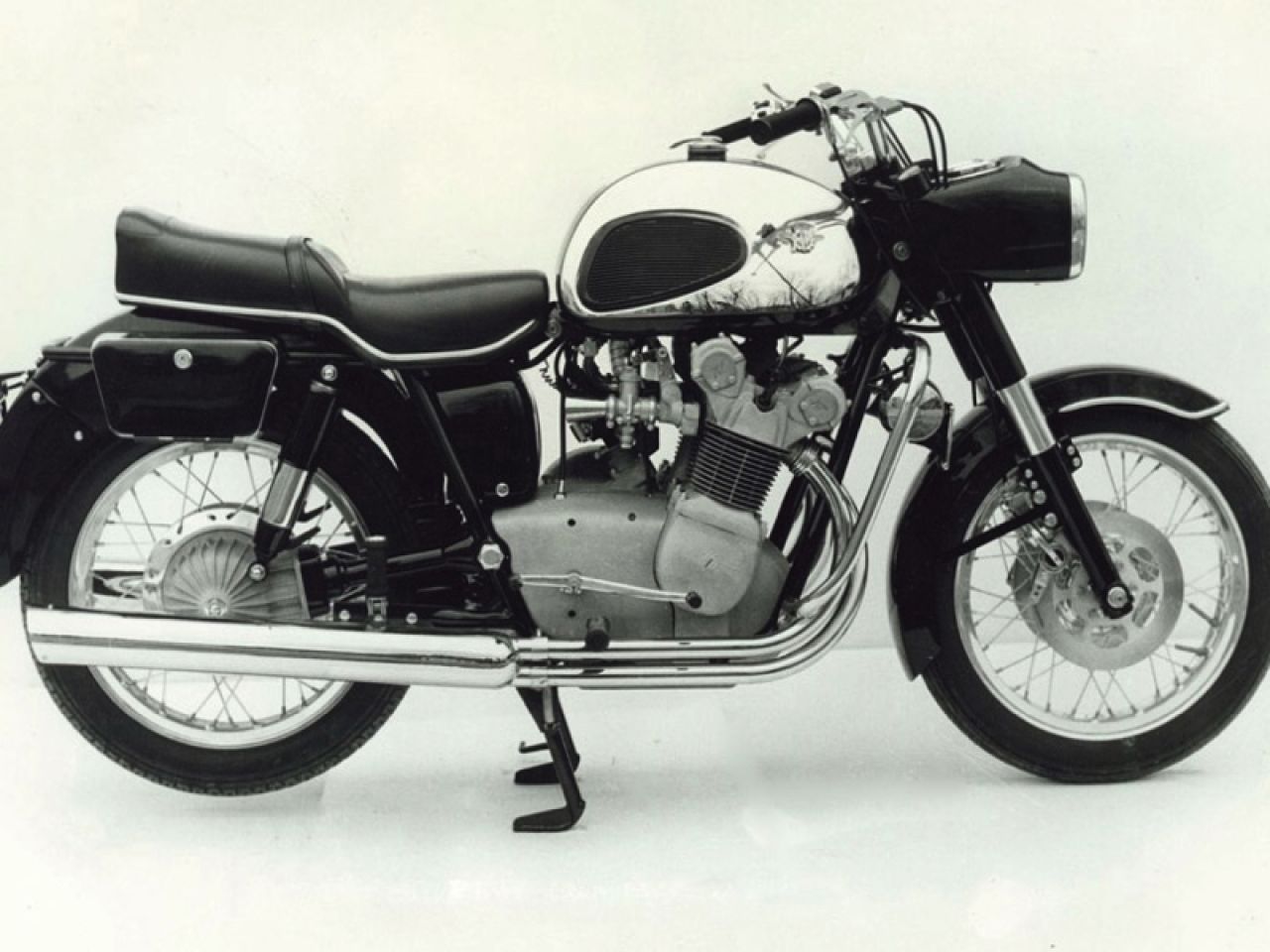
Ducati however was still left empty handed, just like Benelli. Sales had been poor and there was no money for development, research or marketing. Their fame and success on the racetracks had ended somewhere in the sixties. Only few remembered that icons like Mike Hailwood had started their career on a Ducati (single). One cylinder was not enough anymore.
Though real big multi-cylinder motorcycles like the 1260cc L-four cylinder Apollo (for the American Police) and a 700cc twin (for the Italian Government) had been developed as prototypes, a 450cc single was the biggest Ducati street model for sale in 1969. Time was running out. Ducati had been taken over by the Italian government, which under normal circumstances cannot be seen as a hopeful turning point. Fortunately the new E.F.I.M. managers Arnaldo Milvio, Cosimo Calgagnile and Fredmano Spairani were motorcycle enthusiasts, skilled with vision and strategy. Especially Spairani would love to see Ducati back on the GP circuits again.
NO TIME TO LOSE
The roaring seventies were about to begin and 750cc turned out to be only the beginning instead of a ‘large displacement’ limit. BMW had updated and enlarged the boxer twin with the R75/5 as flagship. In 1969 Laverda had already shown the prototype of a 980 cc triple and Kawasaki was secretly developing the powerful 900 Z1 Super Four. All eyes had been on Honda’s CB750 launch.
Critics had declared it would not sell in large numbers, because this kind of power could not be handled. They were wrong. Bigger was better! In Japan a restriction in capacity was introduced; more than 750cc would soon not be allowed there anymore for Japanese riders. But Europe was just starting to get in the mood for even more powerful bikes. The once proud and famous Bologna factory could have been declared ‘half past dead’ under these circumstances.
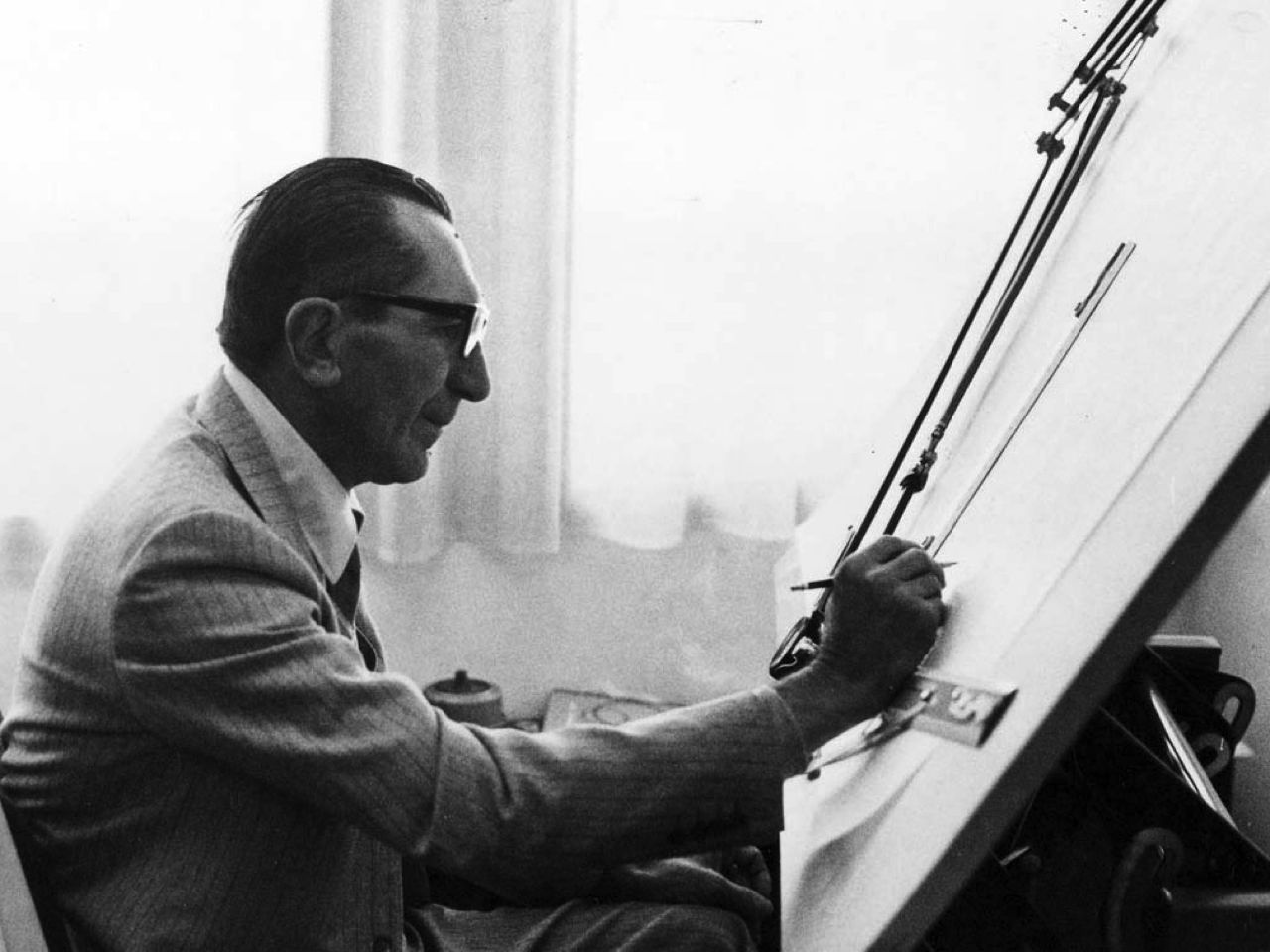
Fortunately, the all new Ducati management had bright ideas and dared to take chances instead of hesitating and loose precious time. But most credits have to go to the faithful Ducati engineer Dr. Fabio Taglioni, who was about to manage the impossible without any kind of budget, support or facilities. He would single-handedly create a true masterpiece. His task: Make a 750 cc twin cylinder that will be competitive.
Taglioni had to start from scratch with just his experience, his intuition, pencils and a drawing board. The brilliant engineer, responsible for the 125 cc Marianna GP racer (1955) and all its wonderful ‘single’ successors started drawing a completely new Ducati engine on March 20 1970.
End of Part I
